Fit but Frustrated: How Your Exercise Habits Are Quietly Altering the Way Your ED Medication Performs
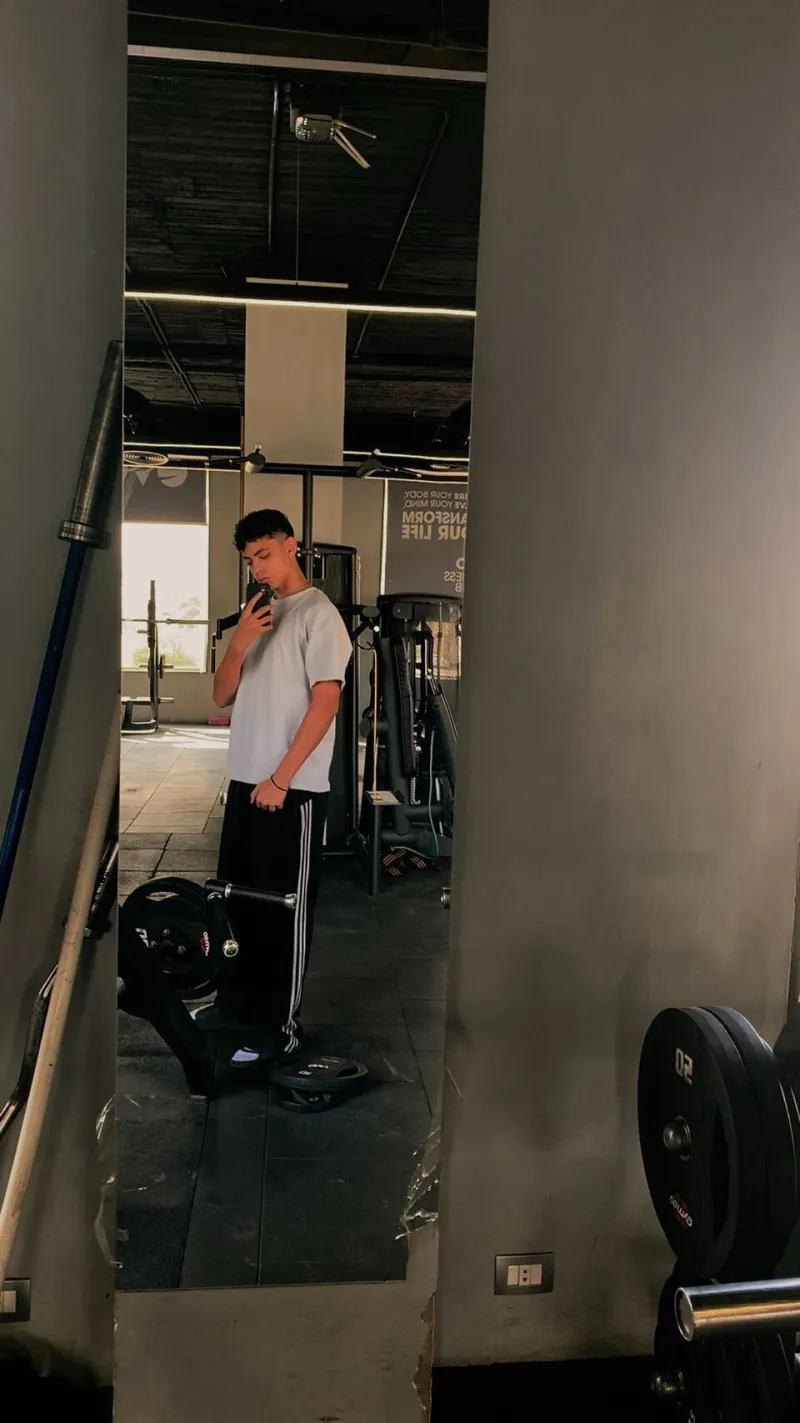
Photo: Omar hossam elsherif, CC BY-SA 4.0, via Wikimedia Commons
For many American men, the pursuit of physical fitness and the management of erectile dysfunction feel like entirely separate endeavors. One belongs to the locker room; the other, to the doctor's office. In reality, these two dimensions of men's health are deeply intertwined—and ignoring that connection may be costing you the full therapeutic benefit of your prescribed medication.
Whether you are taking sildenafil, tadalafil, vardenafil, or avanafil, the physiological state of your body at the time you exercise—and the time you take your dose—can meaningfully influence how well that medication works. Here is what the science and clinical practice actually suggest.
The Pharmacokinetic Basics: Why Body State Matters
PDE5 inhibitors, the class of drugs most commonly prescribed for erectile dysfunction, work by enhancing the vasodilatory effects of nitric oxide in penile tissue. But before they reach that target, they must be absorbed through the gastrointestinal tract, processed by the liver, and distributed through the bloodstream. Each of those stages is affected by your metabolic and cardiovascular status—both of which shift considerably depending on your fitness level and recent physical activity.
Blood flow distribution is one of the most significant variables. During and immediately after intense exercise, a disproportionate share of cardiac output is directed toward working skeletal muscles and the skin for thermoregulation. Gastrointestinal blood flow can decrease by as much as 80 percent during strenuous aerobic activity, according to research published in sports medicine literature. For men who take an ED medication shortly before or after a hard workout, this redistribution may slow absorption and delay the drug's onset of action.
Aerobic Conditioning: A Double-Edged Advantage
Here is where the picture becomes genuinely paradoxical. Men with high levels of cardiovascular fitness tend to experience more robust responses to PDE5 inhibitors—yet the very training that builds that fitness can temporarily interfere with drug pharmacokinetics.
Regular aerobic exercise improves endothelial function, increases baseline nitric oxide bioavailability, and reduces systemic vascular resistance. These adaptations create a more receptive physiological environment for ED medications to act upon. Multiple clinical studies have found that men who engage in moderate-intensity aerobic activity—think brisk walking, cycling, or swimming for 30 to 45 minutes most days—report improved erectile function both with and without pharmacological support.
However, the timing of medication relative to exercise matters considerably. Taking a fast-acting agent like sildenafil or avanafil within one to two hours of an intense cardio session may result in a delayed or blunted peak plasma concentration. For men using tadalafil's daily low-dose formulation, this is less of a concern, as the drug maintains steady-state blood levels and is not dependent on single-dose timing.
Resistance Training, Testosterone, and the Hormonal Layer
Strength training introduces an additional variable: hormonal fluctuation. Heavy resistance exercise—compound lifts such as squats, deadlifts, and bench press—triggers acute surges in testosterone and growth hormone. While these hormonal responses are beneficial for long-term sexual health, they also transiently elevate cortisol and alter hepatic enzyme activity, which plays a role in how PDE5 inhibitors are metabolized.
The liver enzyme CYP3A4 is primarily responsible for breaking down sildenafil and most other ED medications. Exercise-induced changes in hepatic blood flow and enzyme kinetics are modest but real. Men who train intensively and take their medication within a narrow window around a heavy lifting session may notice variability in how long the drug remains effective.
Additionally, men who use anabolic steroids or testosterone supplements as part of a bodybuilding protocol should exercise particular caution. Exogenous androgens can suppress the hypothalamic-pituitary-gonadal axis and paradoxically worsen erectile function over time, potentially undermining the benefits of ED medication entirely.
Practical Timing Strategies for Active Men
The goal is not to choose between fitness and effective ED treatment—it is to synchronize them intelligently. The following evidence-informed strategies are worth discussing with your prescribing physician:
Allow adequate recovery time before dosing. For on-demand medications such as sildenafil or vardenafil, consider waiting at least two hours after a high-intensity workout before taking your dose. This allows gastrointestinal blood flow to normalize and reduces the likelihood of delayed absorption.
Consider daily-dose tadalafil if you train frequently. The 2.5 mg or 5 mg daily formulation of tadalafil eliminates timing concerns almost entirely, making it a clinically logical choice for men who exercise regularly and want consistent coverage without scheduling constraints.
Account for hydration and meal timing. Exercise-induced dehydration can reduce plasma volume and concentrate drug levels unpredictably. High-fat post-workout meals are known to delay the absorption of sildenafil specifically. Aim for hydration and a moderate-fat meal if timing a dose after training.
Monitor your blood pressure. Both vigorous exercise and PDE5 inhibitors lower blood pressure. Men with borderline hypotension or those taking antihypertensive medications should consult their physician before combining intense training sessions with ED drug use on the same day.
The Long-Term Fitness Dividend
Perhaps the most clinically meaningful finding in this area is that consistent, moderate exercise may reduce a man's dependence on ED medication over time. Research has demonstrated that men who achieve meaningful cardiovascular fitness improvements often report spontaneous improvements in erectile function independent of pharmacotherapy. For some, this translates to lower effective doses; for others, it may eventually mean less frequent use.
This does not mean that medication becomes unnecessary—but it does suggest that your gym routine and your treatment plan are not competing forces. When properly coordinated, they reinforce each other in ways that serve both your sexual health and your overall physical well-being.
A Note on Communication With Your Provider
Many men do not think to mention their exercise habits when discussing ED treatment with their physician. This is an oversight worth correcting. Your doctor's ability to optimize your dosing schedule, recommend an appropriate formulation, and anticipate potential interactions improves substantially when they have a full picture of your physical activity level, training intensity, and daily routine.
At Cialice Health, we consistently emphasize that effective ED management is not a static prescription—it is a dynamic process that should evolve alongside your health behaviors. Your fitness is an asset. Make sure your treatment plan is designed to work with it, not around it.