What Nobody Tells You About Quitting ED Medication: The Physical and Psychological Reality of Discontinuation
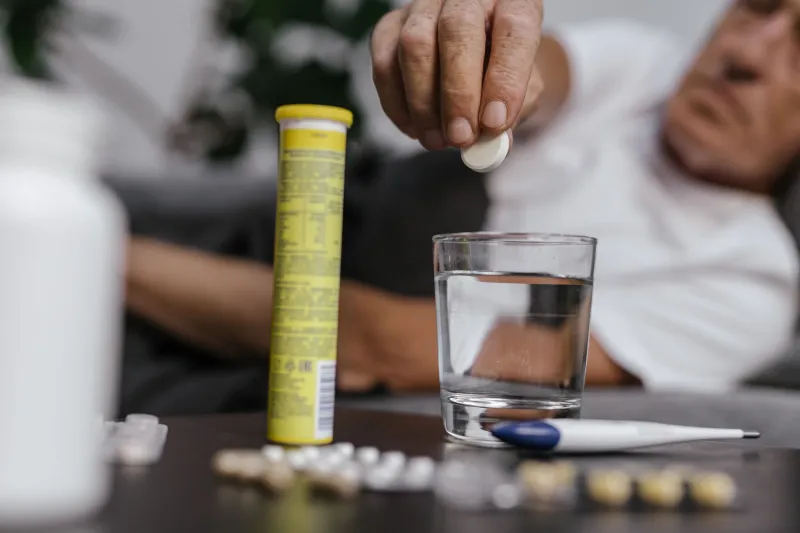
For the millions of American men currently using phosphodiesterase type 5 (PDE5) inhibitors — medications such as sildenafil, tadalafil, vardenafil, or avanafil — there is a well-established conversation about how to start treatment. Physicians counsel patients on dosing schedules, potential side effects, and lifestyle considerations. What receives far less attention is the other end of that conversation: what happens when a man decides, or is advised, to stop.
Discontinuing ED medication is not a medically dangerous act in the way that abruptly stopping certain antidepressants or corticosteroids can be. PDE5 inhibitors do not produce physical dependence in the clinical pharmacological sense. Yet the process of stopping is rarely as clean or emotionally neutral as simply discarding the remainder of a prescription. Understanding why requires a closer look at both the physiology and psychology involved.
Why Men Stop ED Medication in the First Place
The reasons men discontinue treatment are more varied than commonly assumed. Some men stop because their prescribing physician has identified an underlying cause — a hormonal imbalance, a cardiovascular condition, or a medication interaction — that has since been addressed. Others discontinue because lifestyle changes, including significant weight loss, improved sleep quality, or reduced alcohol consumption, have restored sufficient natural erectile function.
There are also men who stop due to side effects they find unacceptable, cost concerns that make sustained use impractical, or a partner situation that has changed. In some cases, men simply assume that because they feel better overall, the medication is no longer necessary. Each of these scenarios carries a different set of expectations — and a different likelihood of a smooth transition.
The Physiology of Stopping: What Actually Changes
PDE5 inhibitors work by temporarily blocking an enzyme that restricts blood flow in penile tissue, allowing for enhanced circulation during sexual arousal. They do not alter baseline testosterone levels, rewire neural pathways, or permanently modify vascular anatomy. In that sense, stopping them does not trigger a withdrawal syndrome in the traditional sense of the word.
However, what many men experience after discontinuation is a return to the baseline condition that preceded treatment — sometimes more acutely felt because they have grown accustomed to improved function. If the underlying causes of erectile dysfunction, whether cardiovascular, hormonal, or neurological, have not been resolved, those factors remain active. The medication was managing symptoms, not curing a disease.
For men who have been using daily low-dose tadalafil specifically, the transition can feel more pronounced. This regimen maintains a relatively constant level of the drug in the body, providing a continuous physiological environment that supports erectile function. When that steady state is removed, the adjustment period may be more noticeable than it would be for someone using an on-demand dosing schedule.
The Psychological Dimension: Confidence, Expectation, and Performance Anxiety
Perhaps the more clinically underappreciated aspect of discontinuation is its psychological weight. For many men, ED medication functioned as more than a physiological tool — it served as a confidence anchor. Knowing the medication was available, or already active in the system, reduced anticipatory anxiety significantly. That reduction in anxiety, in turn, often contributed to improved outcomes beyond what the drug's mechanism alone could explain.
When the medication is removed, performance anxiety frequently resurfaces, sometimes at levels more intense than before treatment began. This phenomenon is not imaginary, nor is it a sign of psychological weakness. It reflects a genuine recalibration that the brain undergoes after a sustained period of reliable erectile response. Men who have experienced this describe it as feeling like they are starting over — even when their underlying vascular health may have improved during the treatment period.
Clinical psychologists who specialize in sexual health often refer to this as a form of conditioned reliance. The mind has associated the presence of medication with successful sexual performance, and its absence triggers doubt. Addressing this dimension proactively, ideally with the guidance of a therapist who specializes in sexual medicine, can significantly ease the transition.
Best Practices for Discontinuing ED Therapy Safely
There is no universally mandated protocol for stopping PDE5 inhibitors, in part because the pharmacology does not require one. Nevertheless, several evidence-informed approaches can help manage the transition more effectively.
Consult your prescribing physician before stopping. This is particularly important if you have been using medication to manage ED associated with a chronic condition such as type 2 diabetes, hypertension, or post-prostatectomy recovery. Your physician can assess whether the underlying condition has changed sufficiently to warrant discontinuation and can recommend monitoring.
Consider a gradual reduction in frequency rather than an abrupt stop. For men on daily dosing regimens, stepping down to an on-demand schedule before stopping entirely can help both body and mind adjust incrementally. This approach is not pharmacologically required, but many men report that it makes the psychological adjustment more manageable.
Identify and address the root cause before discontinuing. If your reason for stopping is optimism about lifestyle improvements, make sure those improvements have been sustained for a meaningful period — typically several months — before removing the pharmacological support. Premature discontinuation based on short-term gains is one of the most common reasons men find themselves restarting treatment.
Do not interpret a difficult adjustment period as permanent failure. The first few weeks after stopping ED medication can be discouraging. A return of erectile difficulty during this window does not necessarily mean that treatment will be required indefinitely. It may simply reflect the time the body and mind need to recalibrate. Tracking outcomes over a period of four to six weeks, rather than evaluating individual encounters in isolation, provides a more accurate picture.
When Restarting Is the Right Decision
For some men, discontinuation reveals that the underlying condition driving their erectile dysfunction has not resolved sufficiently to sustain function without pharmacological support. Recognizing this is not a failure of willpower or discipline — it is clinical information. Restarting treatment, potentially at a lower dose or with a modified schedule, is a medically valid and often appropriate response.
The goal of ED therapy was never to create a permanent dependency. For some patients, however, long-term management with medication is simply the most effective strategy available given their physiology. Accepting that reality, rather than cycling through repeated unsuccessful discontinuation attempts, tends to produce better outcomes for overall sexual health and relationship quality.
The Conversation Worth Having With Your Doctor
The gap in patient education around ED medication discontinuation reflects a broader tendency in clinical practice to focus resources on initiation rather than transitions. Men deserve as much guidance about stopping treatment as they receive about starting it.
If you are considering discontinuing your ED medication, or if your physician has suggested it may be appropriate, ask directly about what to expect. Request information about the timeline for recalibration, signs that would indicate a need to resume treatment, and whether psychological support resources are available. These questions are not premature or overly cautious — they are the foundation of informed, effective care.
At Cialice Health, our commitment is to equip men with the complete picture of their treatment journey — not just the beginning, but every stage that follows.