Breathing Against You: How Undetected Sleep Apnea Quietly Dismantles Erectile Health
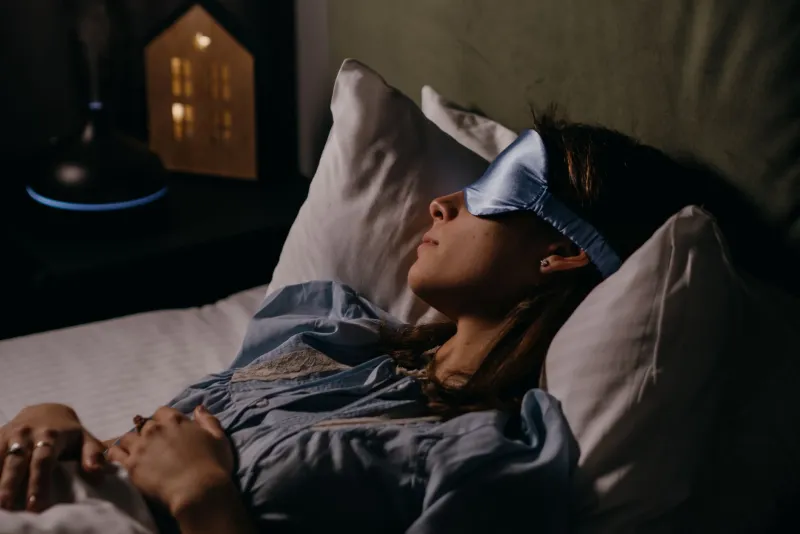
The Night Shift Your Body Never Clocks Out Of
Sleep is not a passive state. While a man rests, his body is performing critical maintenance — regulating hormones, repairing vascular tissue, consolidating neurological signals, and cycling through the sleep stages that support testosterone production. Interrupt that process, and the consequences extend well beyond fatigue the following morning.
Sleep apnea — a disorder in which breathing repeatedly stops and starts throughout the night — disrupts every one of those restorative functions. The most common form, obstructive sleep apnea (OSA), occurs when the muscles at the back of the throat relax and partially or fully block the airway. In the United States, the American Academy of Sleep Medicine estimates that approximately 26 percent of adults between the ages of 30 and 70 have some degree of OSA, and a significant portion of those individuals have never received a formal diagnosis.
For men dealing with erectile dysfunction, that statistic deserves serious attention.
What Happens to the Body During an Apnea Event
Each time breathing is interrupted during sleep, blood oxygen levels drop. The brain, registering the drop as a physiological emergency, forces a partial arousal — just enough to restore muscle tone and reopen the airway. The man may never fully wake, but the damage accumulates across hundreds of these micro-interruptions each night.
The consequences for sexual health are direct and measurable:
Oxygen deprivation and vascular damage. Erections are fundamentally a vascular event. They depend on nitric oxide signaling the smooth muscle of the penile arteries to relax, allowing blood to fill the erectile chambers. Chronic intermittent hypoxia — the technical term for repeated oxygen dips — impairs the endothelium, the thin cellular lining of blood vessels responsible for producing nitric oxide. When that lining is compromised, the vascular response required for an erection becomes sluggish or incomplete, regardless of whether a man takes a PDE5 inhibitor.
Testosterone disruption. The majority of daily testosterone production occurs during deep sleep, particularly during slow-wave and REM stages. Sleep apnea fragments these stages relentlessly. Studies published in the Journal of Clinical Endocrinology & Metabolism have found that men with untreated OSA show measurably lower testosterone levels, and that testosterone suppression worsens in proportion to apnea severity. Low testosterone does not merely reduce libido — it undermines the neurological and hormonal priming that supports erectile function at the most fundamental level.
Sympathetic nervous system overdrive. Repeated apnea events trigger surges of stress hormones, including cortisol and adrenaline. Over time, this chronic activation of the fight-or-flight response elevates resting blood pressure, promotes arterial stiffness, and creates a physiological environment that is essentially hostile to arousal. The same system that prepares the body for perceived danger actively suppresses the parasympathetic signaling required for an erection.
Why So Many Cases Go Undiagnosed
The stereotypical image of sleep apnea — a severely overweight man who snores loud enough to rattle the walls — obscures the reality that the condition affects men of all body types, ages, and fitness levels. Neck circumference, jaw structure, nasal anatomy, and alcohol use are all contributing factors independent of weight.
Many men are unaware they stop breathing during sleep. A bed partner may notice gasping or silence between snores, but men who sleep alone often have no external observer to flag the problem. Symptoms like morning headaches, daytime sleepiness, difficulty concentrating, and irritability are frequently attributed to stress, poor diet, or aging rather than to a diagnosable sleep disorder.
In the context of erectile dysfunction, this diagnostic gap is particularly costly. A man who visits his physician reporting ED may be prescribed a PDE5 inhibitor — sildenafil, tadalafil, or a similar agent — without any investigation into the underlying cause. If undiagnosed sleep apnea is the primary driver, the medication may offer only partial or inconsistent benefit, because the vascular and hormonal infrastructure it depends on has been chronically compromised.
Recognizing the Warning Signs
Men who experience erectile dysfunction alongside any of the following should raise the possibility of sleep apnea with their healthcare provider:
- Loud or irregular snoring reported by a partner
- Waking with a dry mouth or sore throat
- Frequent nighttime urination
- Persistent morning headaches
- Difficulty staying awake during the day despite adequate time in bed
- Waking abruptly with a sensation of choking or gasping
- Mood changes, depression, or difficulty concentrating
The Epworth Sleepiness Scale, a brief questionnaire widely used in primary care settings, can serve as a useful screening tool and is worth requesting at an annual physical or at any appointment where sexual health concerns are discussed.
The Diagnostic Process and What to Expect
Confirming a diagnosis of sleep apnea no longer requires an overnight stay in a hospital sleep laboratory, though in-lab polysomnography remains the gold standard for complex cases. Home sleep apnea tests — compact devices that monitor oxygen levels, airflow, and breathing effort during a night of normal sleep — are now widely available through primary care physicians, pulmonologists, and sleep specialists across the country. Most major insurance plans, including Medicare, cover sleep testing when clinically indicated.
If OSA is confirmed, the most established treatment remains continuous positive airway pressure therapy, commonly known as CPAP. The device delivers a gentle, steady stream of pressurized air through a mask worn during sleep, keeping the airway open and preventing the oxygen drops that drive the cascade of vascular and hormonal damage described above.
Research on the outcomes of CPAP treatment for men with comorbid sleep apnea and erectile dysfunction is encouraging. Multiple studies have documented meaningful improvements in erectile function following consistent CPAP use, with some men experiencing resolution of ED symptoms without the need for pharmaceutical intervention. For men already using ED medications, treating the underlying apnea can significantly enhance the effectiveness of those therapies by restoring the vascular and hormonal environment those drugs require to function properly.
A More Complete Picture of ED Treatment
Pharmaceutical options for erectile dysfunction have transformed the lives of millions of American men, and they remain an important and well-validated component of sexual health care. But medication works best when the physiological terrain it operates on is sound. A man whose endothelium is chronically inflamed, whose testosterone is suppressed by fragmented sleep, and whose sympathetic nervous system is in a state of persistent activation is asking a great deal of any drug.
Clinicians who specialize in men's sexual health increasingly recognize sleep quality as a foundational variable — one that must be evaluated alongside cardiovascular status, metabolic health, and psychological factors when a man presents with erectile dysfunction. The conversation about ED should not begin and end at the prescription pad.
If you have been managing ED with medication and finding the results inconsistent or disappointing, a conversation with your doctor about sleep apnea screening may reveal an answer that has been hiding in plain sight — or more precisely, in the hours you spend unconscious each night.
Taking the Next Step
Speaking with a board-certified sleep medicine specialist or asking your primary care physician for a referral is straightforward and carries no significant risk. A simple questionnaire, followed by a home sleep test if warranted, can determine whether obstructive sleep apnea is contributing to your symptoms. The investment of a single appointment may yield more lasting benefit than any prescription written in isolation.
Your sexual health does not exist in a vacuum. It is the product of dozens of physiological systems working in coordination — and sleep is the nightly maintenance window on which all of them depend.